


HorrorCraft: Dark Realms
3.848.00 Reviews
App Specs
- Version
- 1.50.1.6-beta
- Updated On
- License
- Free
- Downloads
- 1,000,000+
- Developer
- SimulationCraft Studios
- Categories
- Simulation
- Platform
- Android
Screenshots
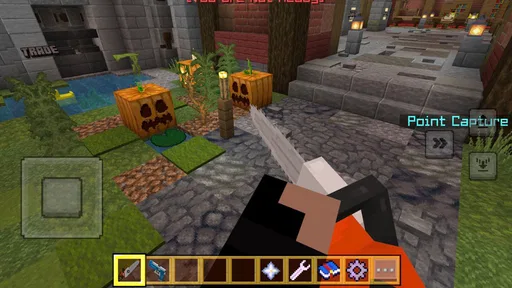
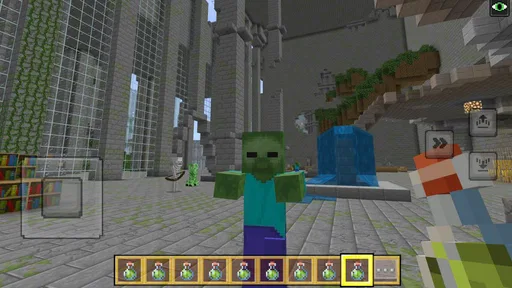
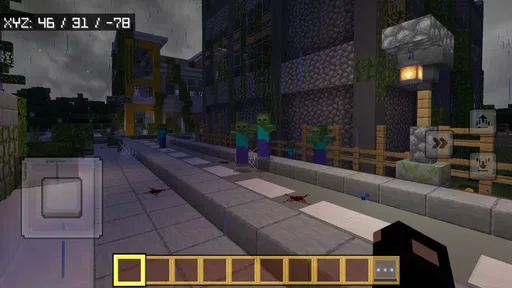
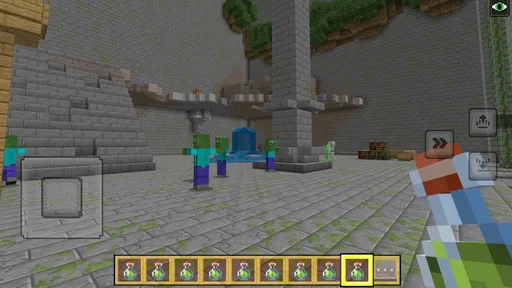
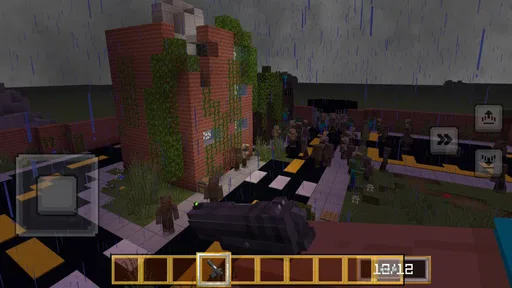
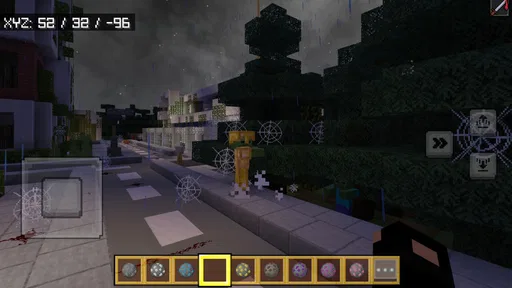
 Analysis by AppCompare
I went into HorrorCraft: Dark Realms expecting a straightforward horror-themed simulation game, but its appeal is more specific than that. The central idea is exploring recreated lands with a dark atmosphere, so the experience depends less on constant action and more on how comfortable you are moving through an unsettling world and deciding how much of it you want to investigate. I found it most interesting when I treated each session as a slow discovery trip rather than rushing toward a conventional win.
That distinction matters because this is not the kind of mobile game I would recommend to everyone who likes horror. Players looking for a tightly scripted story, competitive matches, or a highly polished action game may find the format too restrained. On the other hand, if you enjoy simulation games with an eerie setting and like making your own route through a recreated environment, there is a worthwhile idea here. The game is free, rated for Everyone, and available for devices running Android 7.0 or later, which makes trying it relatively easy.
What the dark-world concept feels like in practice
The strongest part of the experience is the contrast between a familiar exploration structure and the horror presentation. Recreated lands give the game a recognizable foundation, while the dark theme changes how I read every space. A quiet area does not feel completely safe simply because nothing is happening at that moment. I found myself paying attention to corners, open paths, and the order in which I approached places, which gave ordinary movement more weight than it might have in a brighter simulation.
I recommend beginning with short sessions instead of trying to see everything immediately. That approach makes it easier to learn the visual language of the world: which areas feel inviting, which spaces create tension, and where the environment seems designed to make you hesitate. It also prevents the atmosphere from becoming tiring. Horror loses some of its effect when played for too long without a break, especially in a game built around exploration rather than a constant sequence of dramatic events.
One useful habit is to choose a simple purpose before starting. I might enter with the goal of mapping a route, revisiting a location from a different direction, or checking whether a previously overlooked area changes the way I understand the land. This gives the session shape without forcing me to play aggressively. It is a small adjustment, but it makes the simulation side feel more deliberate and keeps exploration from turning into aimless wandering.
The recreated-land concept also makes the game a better fit for players who enjoy atmosphere with room for interpretation. I did not approach every moment as a puzzle that needed an immediate answer. Sometimes the value was simply in noticing how the setting builds unease through distance, darkness, and uncertainty. That will appeal to patient players, but it may frustrate anyone who wants constant objectives clearly placed in front of them.
How I would approach the first sessions
For a first playthrough, I would avoid judging the game by the opening minutes alone. HorrorCraft: Dark Realms is easier to appreciate after you have spent enough time understanding how its exploration rhythm works. Begin by testing movement and visibility in a calm area, then take one longer route into less familiar territory. This lets you separate discomfort caused by the controls or presentation from tension created intentionally by the setting.
Worth Reading Before You Choose

EA SPORTS FC Mobile 26 Is a Bigger Football Game, but It Takes Time

Flipboard Shows What News Apps Must Do Beyond the Feed

Switching to Android Auto Means Rethinking Your Driving Routine

Google Calendar Makes a Crowded Week Easier to Manage

Ludo King Makes the Most of the Minutes Between Plans

Baby Panda World Brings Quick Play to Modern Phones, but Its Game Library Feels Busy
I also suggest playing with a practical mindset about attention. If you are checking messages, watching another video, or playing in a noisy room, much of the atmosphere will disappear. The game benefits from focused sessions, but that does not mean every session needs to be long. A quiet stretch of play before bed can work well for someone who enjoys mild unease, while a busy commute may make the experience feel flat and confusing.
Another non-obvious advantage of taking notes mentally is that it gives the recreated lands continuity. Remembering a landmark, a route, or the feeling of a particular area makes later exploration more meaningful. I would not expect the game to provide the same structured guidance as a traditional campaign, so creating a personal sense of progress is important. In my experience, that is where the simulation element becomes more engaging than simply walking through a horror backdrop.
Progress without turning the game into a chore
The pressure in this type of game comes primarily from uncertainty rather than from a visible competitive ladder. I was more concerned with what might be around the next turn and whether I had properly understood an area than with beating another player. That creates a slower form of tension. It can be satisfying when I am in the mood for observation, but it can also feel directionless if I want immediate rewards or a clear sequence of tasks.
My best approach was to divide progress into small personal milestones. Reaching a new section, becoming familiar with a previously confusing route, or returning to a place with a better understanding of the surroundings all count as meaningful steps. This is especially useful for casual players who only have a few minutes at a time. Rather than expecting every session to deliver a major discovery, I treated each visit as adding one piece to a larger mental map.
There is a trade-off here. A structured horror adventure usually gives you a stronger sense of momentum because it controls when new information appears. A conventional simulation game often gives you more freedom but less fear. This title sits between those approaches. Its darker atmosphere supplies emotional pressure, while the recreated environments leave more responsibility with the player. I liked that combination, although I would not call it universally rewarding.
If you need a game that tells you exactly what to do next, this may not be the right choice. I would instead look for a story-led horror game with explicit objectives. If you enjoy setting your own route and allowing tension to build gradually, the looser structure works in its favor. The important thing is to recognize that the game’s progress is not only about reaching the next destination; it is also about becoming more confident in how you read the world.
Free access and what spending means here
The game is free to download and play, which lowers the barrier for curious players who want to test the concept before committing time to it. I appreciate that position because the recreated-land idea is unusual enough that a player may not know immediately whether the slower horror style suits them. Installing it for a short trial is more sensible than assuming the theme alone will guarantee an enjoyable experience.
When it comes to spending, I keep my expectations measured. The confirmed purchase context establishes that the game is free, but it does not give me a reliable basis for describing specific paid items, prices, subscriptions, or advantages. I therefore would not make a buying decision around claims about optional content or progression boosts. The sensible approach is to try the free experience first and only consider any purchase screen you encounter after reading exactly what it offers and whether it changes the way you want to play.
That also means I would not promise that the game is completely free of pressure related to spending. There is not enough confirmed information to make that claim responsibly. My practical advice is simple: do not enter payment details merely to continue exploring, and pause whenever an offer appears. Check whether it is permanent, optional, or connected to progress before accepting it. This is good practice for any free mobile game, and it is particularly useful here because the game’s main appeal is exploration rather than a clearly documented competitive economy.
For families, the Everyone rating makes the game easier to consider from an age-label perspective, but I would still judge the horror tone personally. An age rating does not tell me whether a particular child enjoys dark environments or finds them uncomfortable. I would let younger players try it in a shared setting first, especially if they are sensitive to suspense. The game’s theme may feel mild to one person and unsettling to another even under the same rating.
Fairness, competition, and the right comparison
HorrorCraft: Dark Realms does not present itself to me as a conventional competitive game. My enjoyment comes from exploring recreated lands, not from proving that I am better than another player. Because of that, fairness is less about leaderboards and more about whether the game lets me experience its world without making progress feel artificially blocked. I would judge it by the consistency of its exploration and by how clearly it communicates any optional spending, rather than by competitive balance alone.
That makes comparisons with other simulation games useful but limited. A typical simulation title may focus on construction, management, routine, or optimization. This game replaces much of that comfortable predictability with horror atmosphere and uncertain exploration. Compared with a story-heavy horror game, it offers a less controlled path. Compared with a peaceful world-building simulator, it asks me to tolerate more ambiguity and tension. Neither alternative is automatically better; each serves a different mood.
If you want fair player-versus-player competition, I would choose a game designed around ranked or skill-based matches instead. HorrorCraft: Dark Realms is not the title I would use to test reflexes against other people. If you want a world where your own attention and curiosity determine how much you notice, it is a more appropriate fit. The absence of a competitive focus can be a strength because it keeps the experience personal, but it also means players who need social stakes may lose interest.
One practical way to keep the experience fair for yourself is to avoid measuring progress against external expectations. Do not assume that a longer session is automatically a better session or that completing an area quickly is the correct way to play. The game works best when I set a reasonable goal and accept that some exploration produces atmosphere rather than an obvious reward. That mindset prevents the slower design from feeling like wasted time.
Device expectations and version context
The current version is 1.50.1.6-beta, and the beta label is worth noticing before installation. I would approach the game as an experience that may still be changing rather than as a completely settled release. That does not make it unplayable, but it does affect how I interpret rough edges, uneven pacing, or moments that feel less finished than expected. Players who dislike testing evolving software should be more cautious about choosing it.
The minimum operating-system requirement is Android 7.0. That covers a broad range of devices, but compatibility on paper is not the same as identical performance everywhere. I would close other demanding apps, keep enough storage available for normal installation and updates, and test the game in a short session before deciding whether it is comfortable on an older phone. I would also avoid judging the atmosphere while the device is struggling, because stutters or delayed input can feel like design problems when they are really hardware limitations.
The game has reached over a million installs, which tells me that the concept has attracted a substantial audience. Its average rating is 3.8 from around 2.9 thousand ratings, so the public response looks mixed rather than universally enthusiastic. I read that as a reason to keep expectations realistic: enough players have found value in the experience, but the game clearly will not suit every taste or device. The smaller review count, at 48 reviews, also means I would focus more on my own trial than on treating any single opinion as definitive.
SimulationCraft Studios is the developer behind the game. When a title carries a beta version, I pay attention to how comfortable I am with change. A player who wants a stable, predictable long-term routine may prefer a mature simulation game. Someone willing to revisit an evolving horror world can get more from the current release, provided they accept that the experience may not feel perfectly uniform.
Who should download it, and who should skip it
I would recommend this game to players who like exploring recreated environments, enjoy horror that builds through mood, and are comfortable creating their own short-term objectives. It is a particularly good candidate for someone who wants a free experiment rather than a major purchase. The game’s strongest use case is a focused solo session in which you explore one area, learn its layout, and let the atmosphere do the work.
I would also suggest it to simulation fans who feel that familiar management loops have become repetitive. The dark setting gives exploration a different emotional texture, and the slower pace can be refreshing when I want something more thoughtful than a reflex-based game. It is not a replacement for a deep construction simulator, but it offers a distinct reason to enter a simulated world.
I would skip it if your priority is a fully directed narrative, reliable competitive fairness, or a clearly documented spending system. I would also look elsewhere if horror makes you uncomfortable even when the action is limited. The game’s appeal depends on accepting uncertainty, and that same quality can become a weakness for players who want constant explanation. A conventional adventure game will likely be more satisfying for anyone who needs strong objectives and a planned story arc.
Families should make a personal comfort check despite the Everyone rating. The label is useful, but it does not replace supervision for children who react strongly to dark themes. I would introduce it gradually, let the player control the session length, and stop if the atmosphere becomes unpleasant rather than entertaining.
My trust verdict after weighing the trade-offs
My overall view is cautiously positive. HorrorCraft: Dark Realms has a clear identity: it uses a simulation-style exploration framework to make recreated lands feel unfamiliar and tense. That is more interesting to me than a generic horror skin placed over a standard mobile loop. The experience rewards patience, attention, and a willingness to set personal goals, which gives it a niche but genuine appeal.
I would not describe it as a universal recommendation. The beta version, mixed average rating, and deliberately open-ended exploration all tell me to approach it as a specific kind of game rather than an all-purpose mobile pastime. Its free status makes trying it reasonable, but I would remain careful around any spending prompts because the available purchase details do not establish what optional payments might provide.
My practical verdict: download it if you want a free, atmospheric exploration experiment, but treat the first session as a test rather than a commitment. Give yourself a quiet stretch, explore with one clear objective, and decide whether the recreated lands hold your attention. If they do, the game’s unusual blend of simulation and horror can become an enjoyable personal routine. If you need firm goals, competitive stakes, or a polished story-first structure, choosing a more traditional alternative will save you time.
For me, the game succeeds when I stop asking it to behave like a standard horror campaign or a conventional simulator. Its value is in the uneasy space between those categories. I would recommend it to a friend with that explanation, not with exaggerated promises: it is free to try, distinctive in mood, and worth exploring for the right player, while its evolving beta context and less structured progress deserve honest consideration before you settle in.
Pros
- Atmospheric lighting and sound effects create an effective horror mood.
- Exploration rewards curiosity with hidden areas and environmental details.
- Dark fantasy visuals give the game a distinctive identity.
- Controls are easy to understand for players familiar with mobile games.
- Short sessions make it suitable for playing in small time windows.
Cons
- Some darker scenes can make important objects difficult to spot.
- Enemy encounters may feel repetitive after extended play.
- The horror relies more on atmosphere than on frequent surprises.
- Performance may vary on older or less powerful devices.
- The grim setting may not appeal to players seeking a lighter experience.
FAQs for HorrorCraft: Dark Realms
What is HorrorCraft: Dark Realms about?
HorrorCraft: Dark Realms is a horror-themed adventure experience that combines block-based exploration with dark environments, unsettling sounds, dangerous enemies, and survival-focused gameplay. Players explore mysterious areas, search for useful resources, solve environmental challenges, and try to uncover the secrets behind the world. The game is designed for users who enjoy suspense, exploration, and a darker twist on crafting and sandbox-style mechanics.
Is HorrorCraft: Dark Realms suitable for children?
Although the visual style may resemble a simple block-based game, HorrorCraft: Dark Realms focuses on horror and may include frightening creatures, sudden surprises, dark locations, disturbing sound effects, and tense situations. Parents should review the age rating and store description before allowing younger players to download it. Children who are sensitive to darkness, suspense, or frightening imagery may find the experience uncomfortable.
Does HorrorCraft: Dark Realms require an internet connection?
The connection requirements can depend on the version installed and the features currently available. Basic exploration or single-player elements may work offline, but advertisements, updates, online services, cloud features, or other optional functions may require internet access. It is recommended to launch the game once while connected, check its settings, and confirm which modes remain available before relying on it during travel or without Wi-Fi.
Is HorrorCraft: Dark Realms free to download and play?
HorrorCraft: Dark Realms may be available as a free download, but users should carefully check the official Google Play or App Store listing for the current pricing model. Free versions can include advertising, optional purchases, locked content, or other limitations. Before starting, review the in-app purchase information and parental controls, especially if the device is shared with children or connected to a payment method.
What devices are compatible with HorrorCraft: Dark Realms?
Compatibility depends on the operating system, device hardware, available storage, and the minimum requirements listed by the developer. HorrorCraft: Dark Realms should be downloaded only from an official Android or iOS store whenever possible. Before installing, check the supported operating-system version, required storage space, and recent user reviews. Older phones or tablets may experience slower performance, longer loading times, or visual issues.


